A wide-open tee sheet at 2:00 p.m. on a Tuesday is not a branding problem. It is unsold inventory with a deadline. The golf course marketing ideas that fill that time are rarely the flashiest. They put a specific offer in front of a specific golfer, give that person a one-click way to book, and tell you afterward whether the message created a round.
I have spent more than 24 years in golf operations, and I have watched courses spend energy on slogans, stock photos, and “we’re open” posts while the afternoon sheet sits empty. Marketing works when it is connected to your tee sheet, customer records, point of sale, and reporting. Otherwise your team is guessing who played, what they spent, and which promotion actually worked.
Here is a typical Tuesday afternoon at a daily-fee course. The sheet has open times after lunch, so someone sends one email to the entire list advertising a special. Saturday regulars see a midweek deal they do not need, the people who actually play Tuesdays never get a message aimed at them, and the shop has no clean way to tell whether the next day's bookings came from the email or from the phone. The problem is not a new slogan. It is a narrower list and a booking link for that window only.
Start with the list and the inventory, not a new slogan
Before you write a campaign, answer two questions: which tee times are consistently soft, and who in your database is a reasonable fit for those times?
Pull the sheet by daypart — weekday afternoons, late Sunday, shoulder-season mornings — and be honest about what unsold inventory is costing you. Then look at the list. Frequent players, lapsed players, members, weekday regulars, online-booking guests, and people who have played once are not the same audience. A player who has not visited in 90 days needs a different message than someone who already plays twice a month.
Eagle Club Systems includes CRM, email, and operational SMS tools in the same platform as the tee sheet and POS, so segments can start from booking and purchase history. Courses can also connect Constant Contact and use Google Analytics 4 on the booking engine. Managed marketing — a dedicated representative for email, social, and graphic design — is a paid add-on, not something that comes with the software.
If your current “CRM” is a spreadsheet exported last spring, fix that first. A clever subject line will not save a stale list.
Fill soft windows without training golfers to wait for a discount
Do not discount the whole rate sheet because Tuesday at 2:00 p.m. is slow. Build a limited offer for that window only: a twilight rate, a nine-hole special, a same-day booking price, or a weekday walking option. Put a clear start and end date on it, then review the results before you run it again.
The offer should protect your prime times. An email that quietly teaches golfers to wait for a site-wide deal will fill a few afternoon slots and weaken Saturday. If you are using a third-party marketplace or barter inventory to move unsold times, read what that barter actually costs before you give away the times you still want to sell at a standard rate.
Email is usually the right place to explain the window, the inclusions, and the booking link. Operational SMS is useful when the window is short — a frost-delay update, a same-day opening, or a reminder that a booked player still needs to complete checkout. Keep SMS tight, permission-based, and reserved for messages people actually want on their phone. (We will publish a deeper SMS playbook separately; the rule here is simple: text the players who opted in, about inventory that is about to disappear.)
Make every campaign end in a booking you own
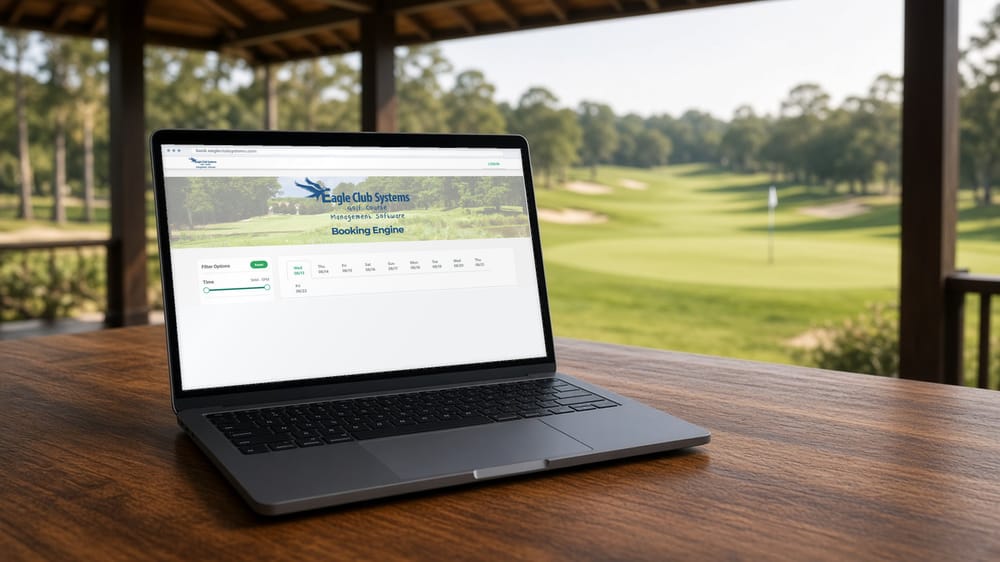
Every email, text, social post, and printed offer should have one obvious next step: book a tee time on your site. If the golfer has to call the shop, hunt through three pages, or jump to a third-party marketplace, you will lose the click and often the customer record that came with it.
State the dates, whether a cart is included, who qualifies, and whether the rate is available online only. Then send people to your own booking page, not a generic “visit our website” link. Direct booking, including Reserve with Google, keeps the reservation, the rate, and the golfer on your tee sheet.
This is also where measurement starts. Opens and clicks are not revenue. In our Thorn Apple Country Club case study, the club moved off a paper tee sheet and cash register, wired Google Analytics 4 into the booking engine, and watched credit-card-hold abandonment fall from about 25% to about 15% after the policy was introduced, while online booking grew from virtually zero to a majority of rounds. That is the kind of number a marketing idea should be judged against: did more golfers finish the booking?
Bring first-timers and quiet players back while the visit is still fresh
The first round is when a new customer decides whether you become part of their regular rotation. Thank them promptly, ask for a useful piece of feedback, and give them a reason to return within a few weeks. That reason does not have to be a discount. It can be an invitation to a weekly game, a league opening night, a restaurant special, or a preview of an event.
Do the same for lapsed players, but make the message about them, not about your inventory panic. A golfer who used to play weekday mornings and went quiet is a better target for a midweek offer than a Saturday regular who already books themselves.
Leagues and events are marketing channels, not just calendar items. A well-run league introduces guests, creates weekly conversation, and gives you a reason to email a defined group. Market an outing more than once — a save-the-date, registration details, and a reminder as the deadline approaches — then use photos and a thank-you afterward to invite people back. If you need help producing graphics and campaign creative, that is the job of managed marketing as a paid add-on, not a substitute for having the list and the booking link in order.
Social media should do work a golfer can use: course conditions, weather, food specials, and available times, with a path to book. A short video from the shop or the first tee beats a stock quote graphic. Gift cards are the same idea on a seasonal calendar. Start early for Father’s Day, the winter holidays, and local corporate gifting, and make the purchase simple. Eagle Club Systems can sell gift cards and memberships online through integrated processing; it does not include a native online merchandise store.
Measure rounds and spend, then run fewer, better campaigns
A campaign can collect likes and still fail. Track bookings from the offer, rounds played in the targeted window, average spend, food-and-beverage attachment, and whether those players booked again. Golf course reporting should let a GM see that without building a side spreadsheet.
Choose two or three ideas that address a real gap — a soft daypart, a weak first-visit follow-up, a league that could bring guests — and give each one enough time to work. If you want to see how segments, email, SMS, and the booking engine sit on the same customer record, book a demo and bring a recent campaign plus the daypart you most need to fill.
FAQ
What golf course marketing ideas actually fill tee times?
The ideas that work start with a specific soft window and a specific audience, then send those players a direct booking link. Segmented email and permission-based SMS, first-visit follow-up, and offers that protect your prime times will outperform a single blast or a generic social post.
Does Eagle Club Systems include email and SMS marketing?
Yes. Eagle Club Systems includes CRM, email, and operational SMS tools in the same platform as the tee sheet and POS, and it can connect with Constant Contact. Managed marketing — email, social media, and graphic design handled by a dedicated representative — is a paid add-on, not included with the software.
How should we measure golf course marketing?
Measure completed bookings, rounds in the targeted window, spend, and repeat visits, not just opens, clicks, or likes. Google Analytics 4 on the booking engine can show where golfers start and whether they finish checkout.
Should we discount unsold tee times?
A limited offer on a specific soft window can move inventory. A standing, site-wide discount trains golfers to wait. Set a start and end date, keep prime times off the deal, and review the results before you repeat it.
Can marketing lists be built from tee sheet and POS data?
They should be. In Eagle Club Systems, campaign lists can be segmented from the same customer records used for booking, purchase, and play history, so you are not emailing from a spreadsheet that is already out of date.